Land of Morning Calm
South Korea
Ancient palaces, K-culture, cherry blossoms, and the vibrant streets of Seoul
Top Attractions
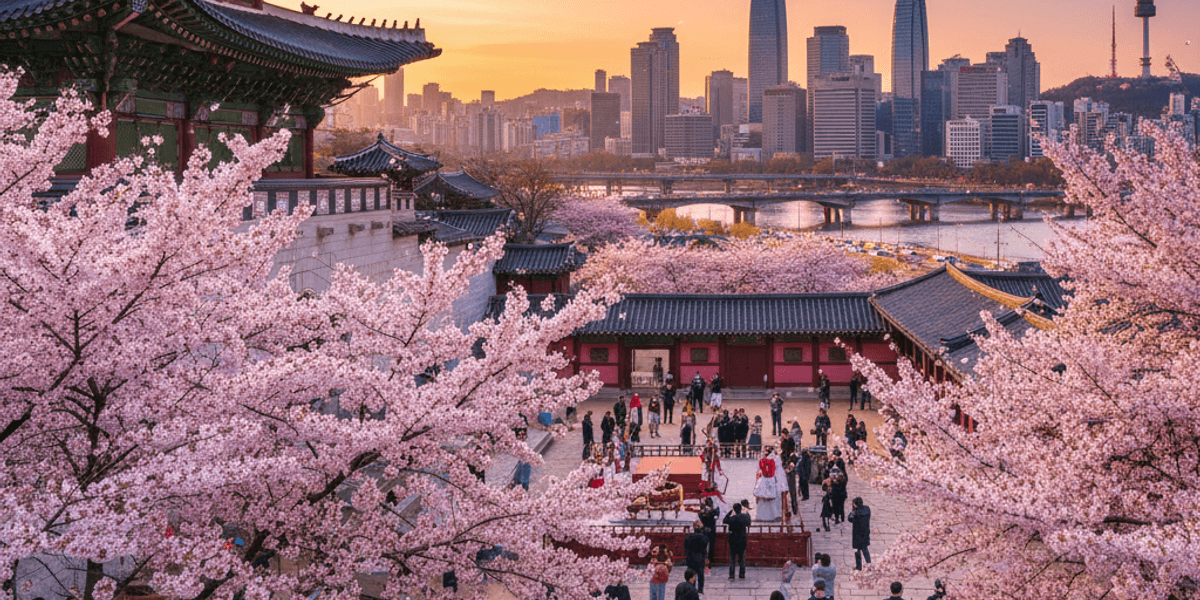
Gyeongbokgung Palace
The grandest of Seoul's Five Grand Palaces, built in 1395. The changing of the royal guard ceremony and the National Folk Museum within the grounds are highlights.
Bukchon Hanok Village
A beautifully preserved traditional Korean village with hundreds of hanok (traditional houses) dating back to the Joseon Dynasty. A living museum in the heart of Seoul.
N Seoul Tower (Namsan Tower)
An iconic communications tower atop Namsan Mountain offering panoramic views of Seoul. Famous for the love locks attached to the fence by couples.
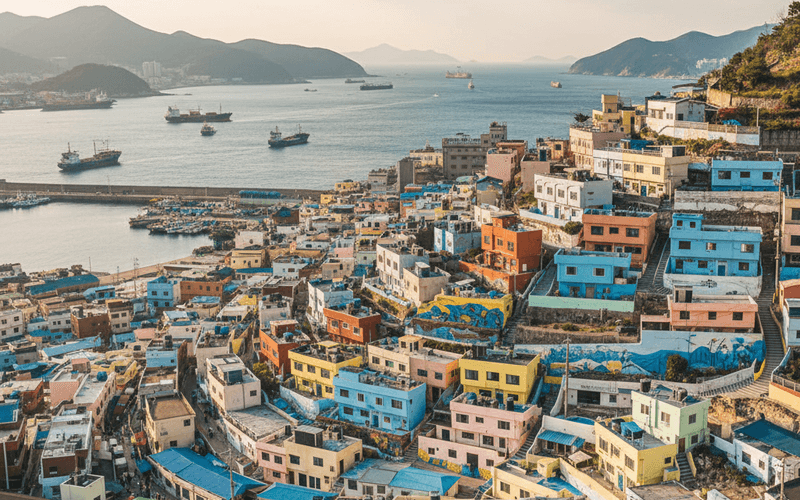
Gamcheon Culture Village, Busan
A colorful hillside village nicknamed the "Machu Picchu of Busan" with pastel-painted houses, murals, art installations, and narrow winding alleyways.
Haeundae Beach, Busan
Korea's most famous beach, stretching 1.5 km with crystal-clear waters. Surrounded by luxury hotels, seafood restaurants, and the vibrant Haeundae district.
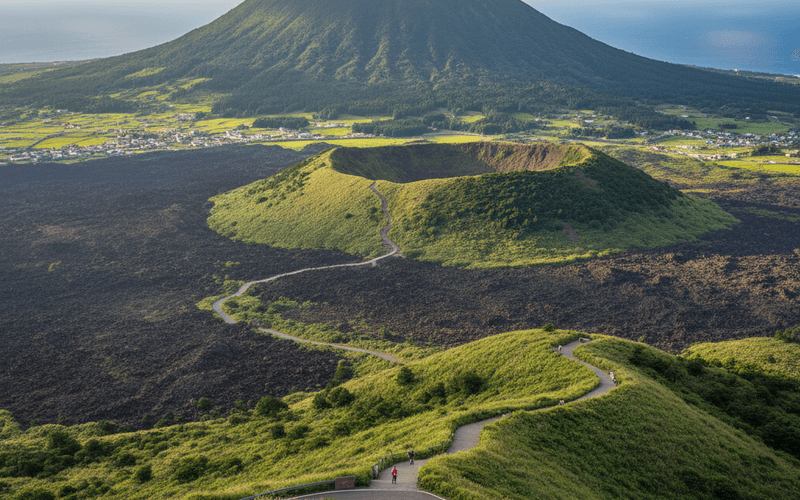
Hallasan Volcano, Jeju Island
South Korea's highest peak at 1,950m, a dormant shield volcano at the center of Jeju Island. UNESCO World Heritage Site with stunning crater lake and diverse ecosystems.
Seongsan Ilchulbong (Sunrise Peak)
A dramatic volcanic tuff cone rising from the sea on Jeju's eastern tip. The sunrise view from the summit is one of Korea's most spectacular natural sights.
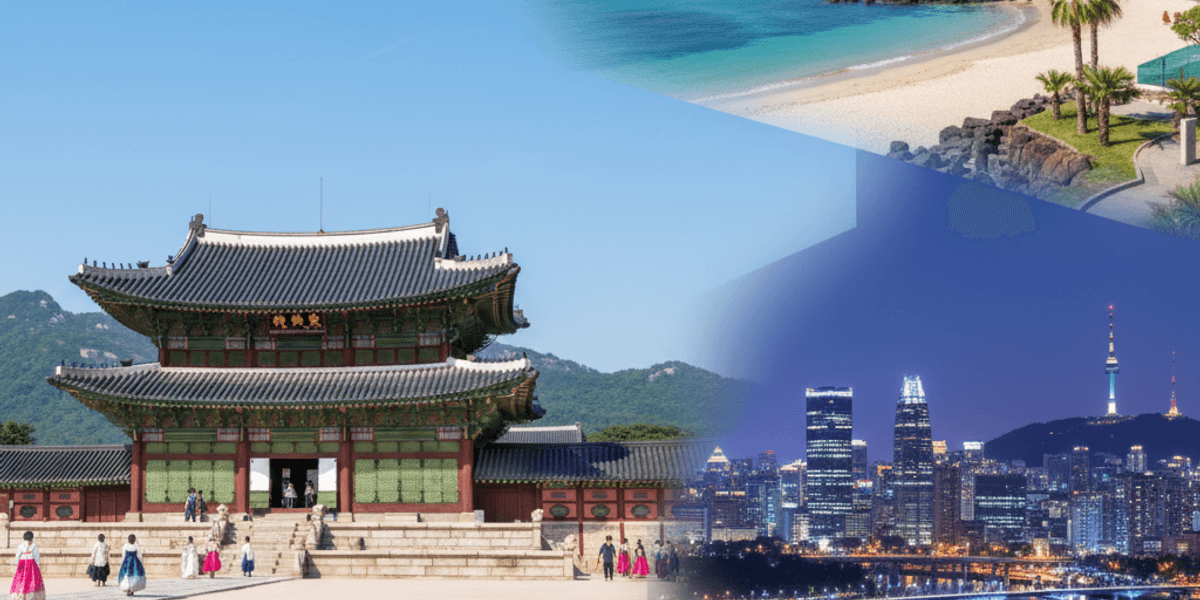
Bulguksa Temple, Gyeongju
A UNESCO World Heritage masterpiece of Buddhist architecture, built in 528 AD. The temple complex features stunning stone pagodas, bridges, and serene garden settings.
Dongdaemun Design Plaza (DDP)
A futuristic cultural complex designed by Zaha Hadid, hosting fashion shows, exhibitions, and markets. The night market here is one of Seoul's most vibrant.
Myeongdong Shopping District
Seoul's most popular shopping and street food district, famous for K-beauty products, fashion, and an incredible array of street food stalls.
Incheon Chinatown & Songdo
Incheon's historic Chinatown is Korea's only official Chinatown with authentic Chinese restaurants and architecture. Nearby Songdo is a futuristic smart city.
Where to Stay
Guesthouse Korea & Hostels
₹1,500 – ₹3,500/night
Affordable guesthouses and hostels in Hongdae and Insadong neighborhoods, popular with backpackers. Many offer free breakfast and helpful staff.
Ibis Ambassador Seoul Insadong
₹5,000 – ₹9,000/night
Modern, comfortable hotel in the cultural heart of Seoul near Gyeongbokgung Palace and Insadong. Excellent value with good amenities.
Lotte City Hotel Myeongdong
₹10,000 – ₹18,000/night
Well-located hotel in the heart of Myeongdong shopping district with comfortable rooms, multiple dining options, and easy subway access.
Park Hyatt Seoul
₹25,000 – ₹45,000/night
Sophisticated luxury hotel in Gangnam with stunning city views, an indoor pool, world-class spa, and the acclaimed The Lounge & Bar.
The Shilla Seoul
₹40,000 – ₹1,20,000/night
One of Korea's most prestigious hotels, set in a beautiful garden near Namsan Mountain. Impeccable service, multiple Michelin-starred restaurants, and a stunning outdoor pool.
Food & Dining
Korean BBQ (Gogigui)
The quintessential Korean dining experience — grill marinated meats (bulgogi, galbi, samgyeopsal) at your table and wrap in lettuce with kimchi and sauces.
Bibimbap
A colorful bowl of rice topped with seasoned vegetables, egg, and gochujang (chili paste). Jeonju is famous for its authentic version of this national dish.
Tteokbokki
Spicy rice cakes in a fiery gochujang sauce — one of Korea's most beloved street foods. Available at pojangmacha (street food tents) throughout the country.
Pojangmacha Street Food
Orange-tented street food stalls serving soju, fried chicken, odeng (fish cake), and tteokbokki. A quintessential Korean street food and nightlife experience.
Samgyetang
A nourishing whole chicken stuffed with glutinous rice, ginseng, and jujube, slow-cooked in a clear broth. A traditional Korean health food especially popular in summer.
Japchae
Glass noodles stir-fried with colorful vegetables, mushrooms, and beef in a savory-sweet soy sauce. A staple at Korean celebrations and restaurants.
Haemul Pajeon (Seafood Pancake)
A crispy, savory pancake loaded with seafood and green onions. Best enjoyed with makgeolli (rice wine) on a rainy day — a beloved Korean tradition.
Getting Around
Seoul Metro
One of the world's best subway systems with 9 lines covering all of Seoul and extending to Incheon and surrounding cities. The T-money card works on all public transport.
KTX (Korea Train Express)
South Korea's high-speed rail network connecting Seoul to Busan in just 2.5 hours, and to other major cities. Comfortable, punctual, and affordable.
Intercity Buses
Express buses connect all major cities at lower costs than KTX. The Express Bus Terminal in Seoul has services to every corner of the country.
Taxis & Kakao T
Metered taxis are affordable and widely available. The Kakao T app (Korea's equivalent of Uber) makes booking easy with English language support.
T-money Card
A rechargeable transit card that works on all public transport nationwide — subway, buses, and even some taxis. Available at convenience stores and subway stations.
Jeju Domestic Flights
The Seoul (Gimpo) to Jeju route is one of the world's busiest air routes. Flights take just 1 hour and are very affordable, especially when booked in advance.
Best Time to Visit
Spring: March – May 🌸
The most magical time to visit, with cherry blossoms (beot-kkot) transforming parks and streets into pink wonderlands. Mild temperatures and clear skies make it perfect for sightseeing. Yeouido Spring Flower Festival in Seoul is spectacular.
Autumn: October – November 🍁
The second most popular season with stunning autumn foliage turning mountains and parks into a blaze of red, orange, and gold. Cool, crisp weather is perfect for hiking and outdoor exploration. Seoraksan National Park is breathtaking.
Summer: June – August ☀️
Hot and humid with a monsoon season in July. However, summer brings vibrant festivals, beach season in Busan, and lush green landscapes. Boryeong Mud Festival in July is a unique and popular event.
Winter: December – February ❄️
Cold and dry with occasional snowfall creating beautiful winter landscapes. Ski resorts in Pyeongchang and Gangwon Province are excellent. Christmas and New Year celebrations are festive, and fewer tourists mean lower prices.
Plan Your Perfect South Korea Itinerary
For proper guidance, support, and full details of your itinerary, please contact us on WhatsApp, call us, or email us. Our travel experts are ready to craft your dream journey!