Land of the Rising Sun
Japan
Ancient traditions meet ultra-modern innovation in this extraordinary island nation
Top Attractions
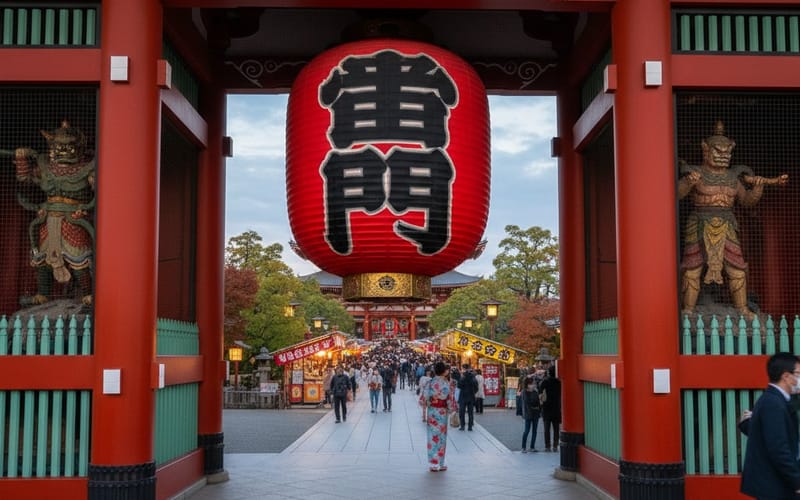
Senso-ji Temple
Tokyo's oldest and most significant Buddhist temple, dating back to 628 AD. The Nakamise shopping street leading to the temple is lined with traditional shops. Entry: Free (inner hall ₹0; some special areas ₹200 approx.)
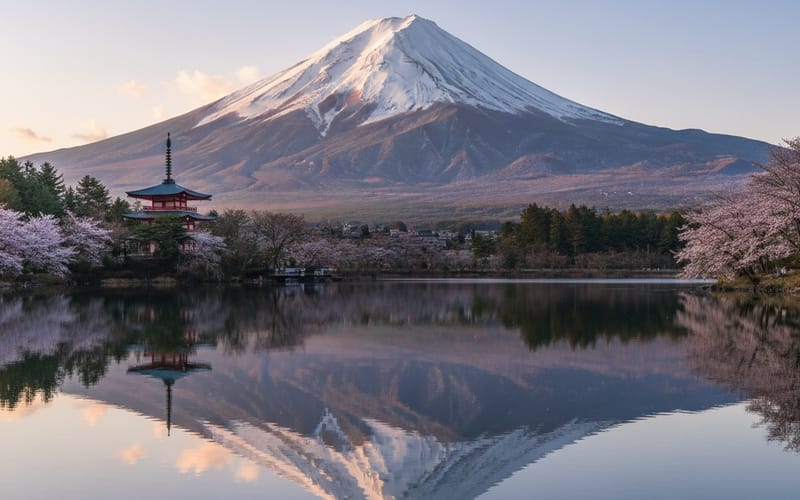
Mount Fuji
Japan's iconic snow-capped volcano and the country's highest peak at 3,776m. A UNESCO World Heritage Site offering breathtaking views and hiking trails. Entry: Free (5th Station access); climbing fee approx. ₹1,800 per person (July–Sept).
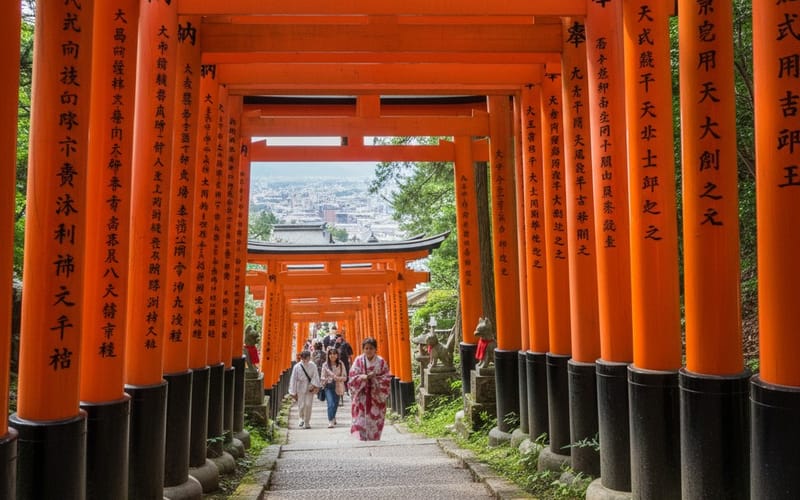
Fushimi Inari Shrine
Famous for its thousands of vermilion torii gates winding through the forested hills of Kyoto. One of Japan's most iconic and photographed landmarks. Entry: Free.
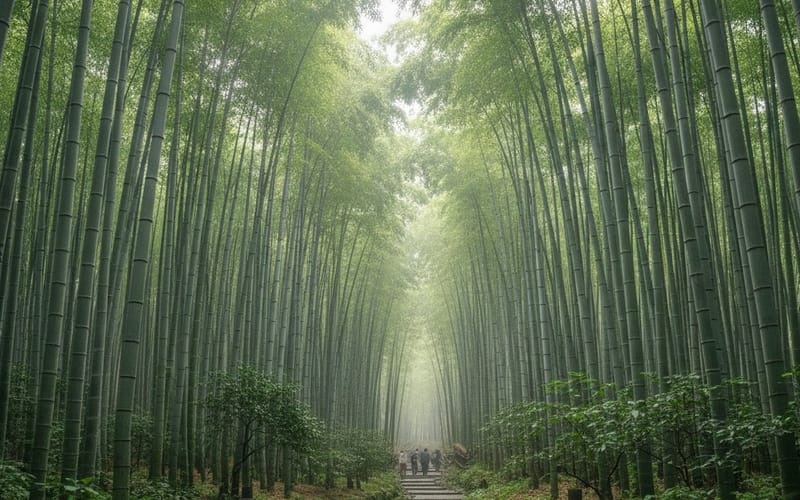
Arashiyama Bamboo Grove
A magical forest of towering bamboo stalks creating a natural tunnel effect. One of Kyoto's most serene and photogenic spots. Entry: Free.
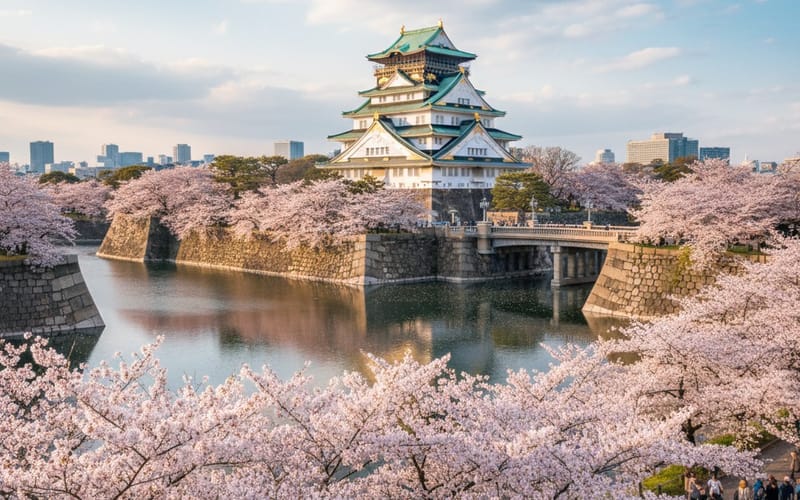
Osaka Castle
A magnificent 16th-century castle surrounded by beautiful gardens and a moat. The castle tower offers panoramic views of Osaka city. Entry: approx. ₹1,200 per person (castle tower museum).
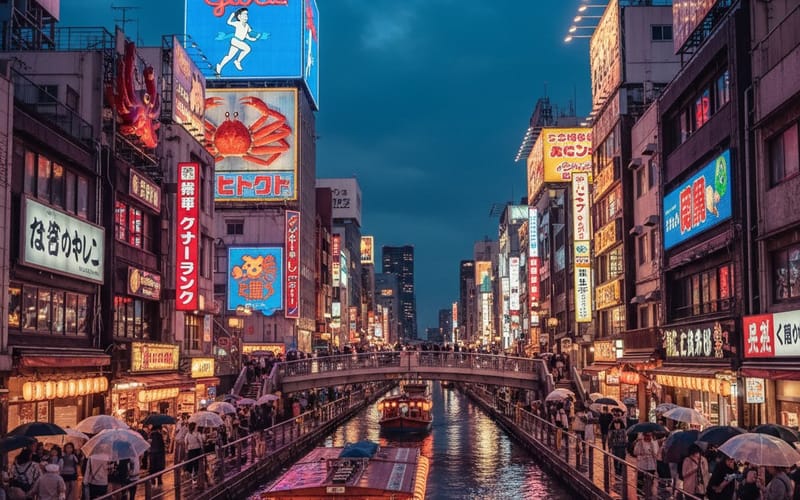
Dotonbori
Osaka's most famous entertainment district, known for its dazzling neon signs, giant mechanical crabs, and incredible street food. Entry: Free.
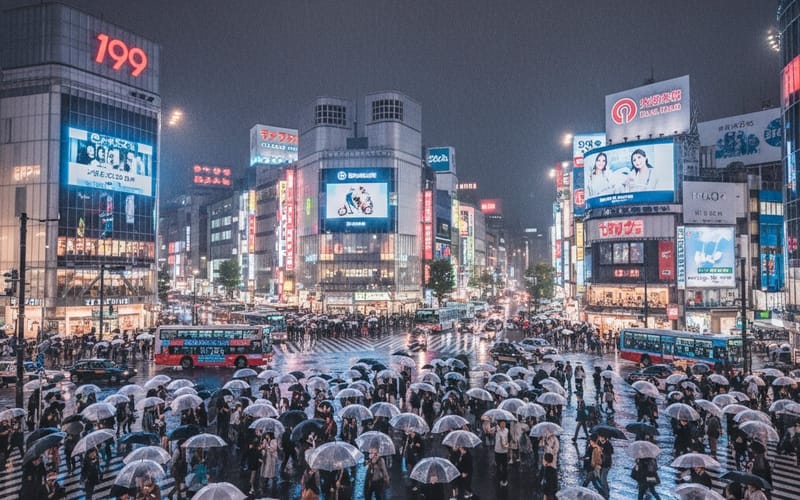
Shibuya Crossing
The world's busiest pedestrian crossing, surrounded by neon lights and giant screens. A symbol of modern Tokyo's energy and vibrancy. Entry: Free.
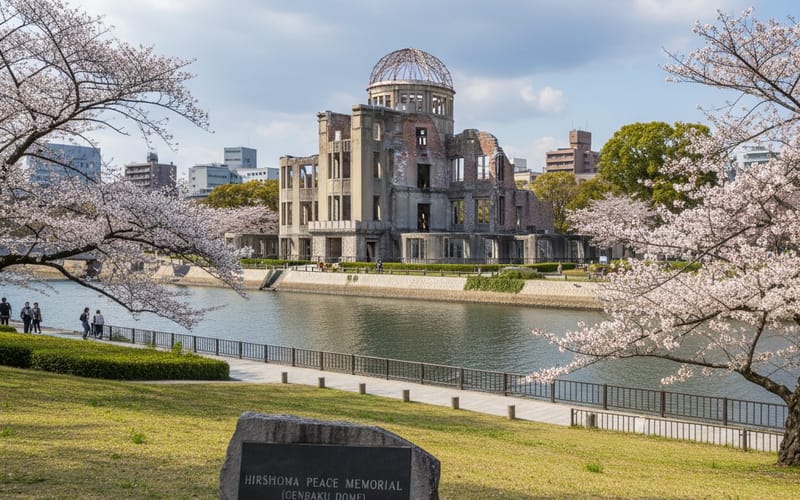
Hiroshima Peace Memorial
A powerful reminder of the atomic bombing of 1945, now a symbol of peace and resilience. The Peace Memorial Museum offers a deeply moving experience. Entry: approx. ₹130 per person (museum).
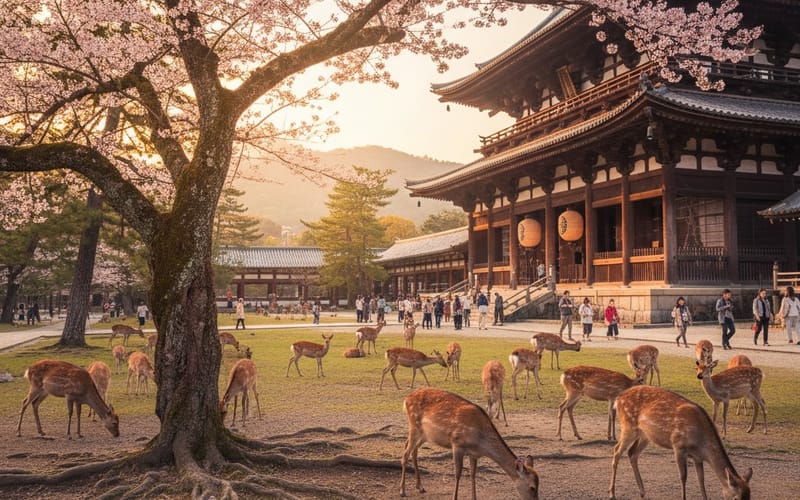
Nara Deer Park
Home to over 1,200 freely roaming deer considered sacred messengers of the gods. Visitors can feed and interact with these gentle animals. Entry: Free (Todai-ji temple approx. ₹650 per person).
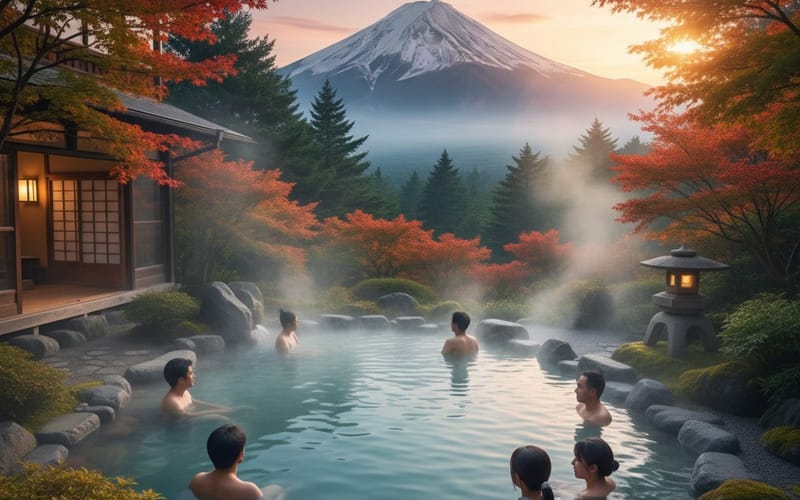
Hakone
A scenic mountain resort town famous for its hot springs (onsen), views of Mount Fuji, and the open-air museum. Perfect for a relaxing retreat. Entry: approx. ₹2,800 per person (Hakone Open-Air Museum).
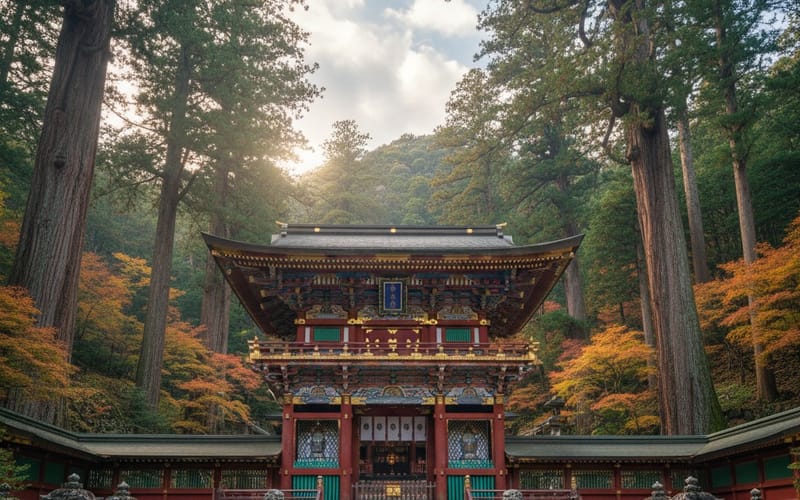
Nikko Tosho-gu Shrine
A lavishly decorated UNESCO World Heritage shrine complex dedicated to Tokugawa Ieyasu, the founder of the Edo shogunate. Surrounded by ancient cedar forests. Entry: approx. ₹1,500 per person.
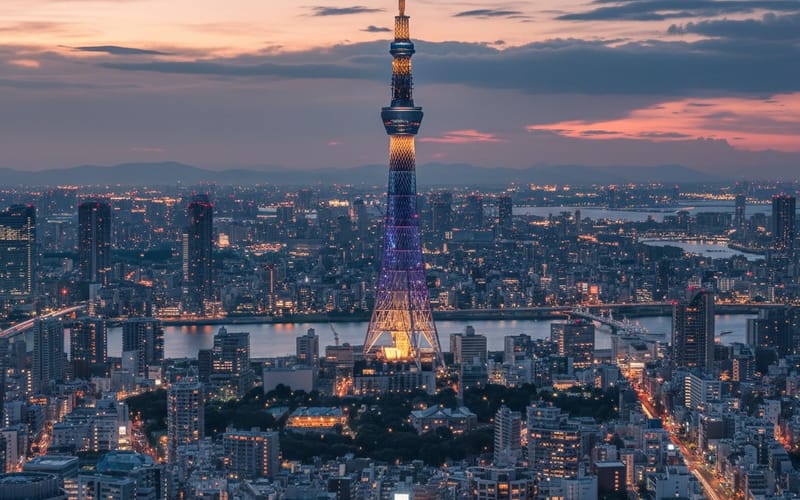
Tokyo Skytree
The world's tallest tower at 634m, offering spectacular panoramic views of Tokyo and beyond on clear days. Entry: approx. ₹2,200 per person (Tembo Deck); ₹3,200 (Tembo Galleria).
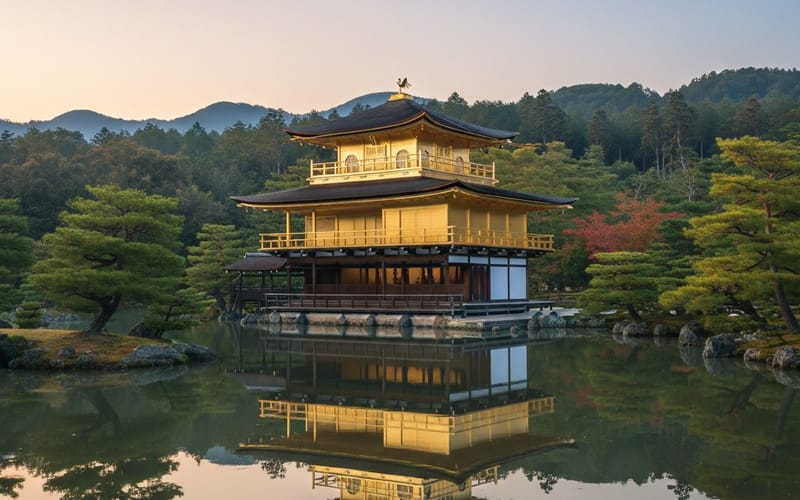
Kinkaku-ji (Golden Pavilion)
Kyoto's most iconic Zen Buddhist temple, its top two floors covered entirely in gold leaf and reflected in the surrounding pond. A UNESCO World Heritage Site. Entry: approx. ₹500 per person.
Where to Stay
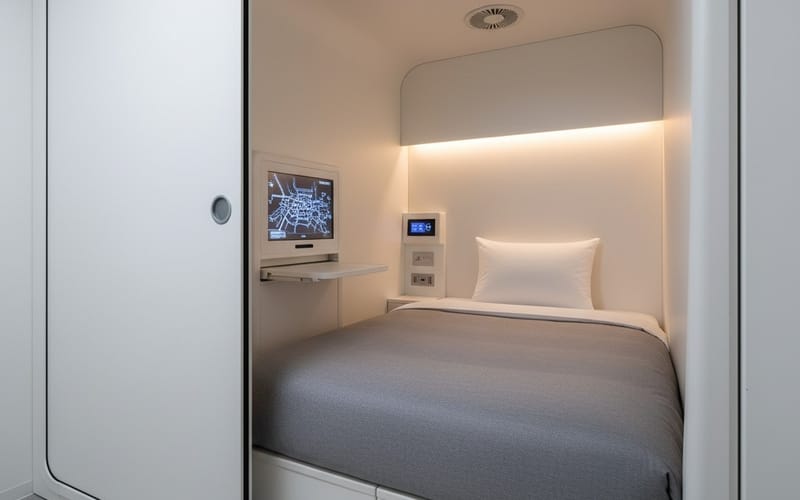
Capsule Hotel Anshin Oyado
₹1,500 – ₹2,500/night
A uniquely Japanese experience with compact capsule pods, shared facilities, and central locations in major cities. 3 min walk / 0.2 km from Shinjuku Station (JR/Tokyo Metro).
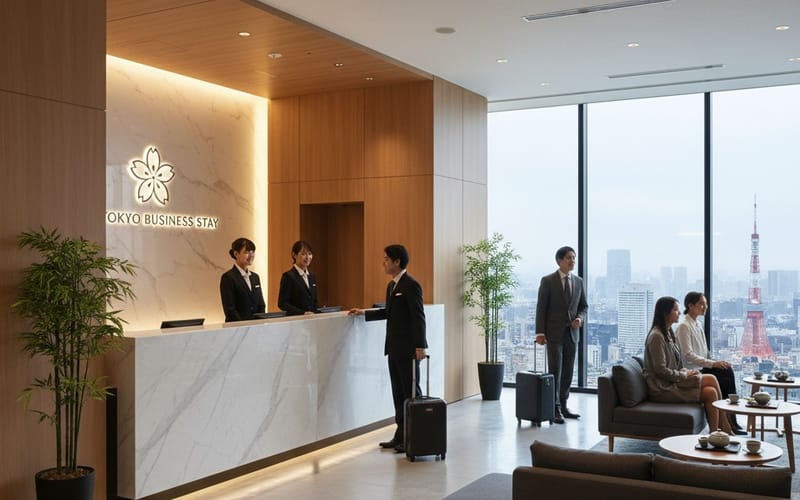
Dormy Inn Chain
₹4,000 – ₹7,000/night
Popular business hotel chain offering comfortable rooms, natural hot spring baths, and complimentary late-night ramen. 5 min walk / 0.4 km from Namba Station (Osaka Metro).

APA Hotel Tokyo
₹7,000 – ₹12,000/night
Modern hotel chain with well-appointed rooms, excellent locations near major attractions, and reliable amenities. 4 min walk / 0.3 km from Asakusa Station (Tokyo Metro/Tobu).

Hyatt Regency Kyoto
₹18,000 – ₹30,000/night
Elegant hotel blending contemporary design with traditional Japanese aesthetics, located near Sanjusangendo Temple. 8 min walk / 0.6 km from Shichijo Station (Keihan Line).

Luxury Ryokan Tawaraya
₹45,000 – ₹1,20,000/night
An exquisite traditional Japanese inn (ryokan) in Kyoto offering tatami rooms, kaiseki cuisine, and impeccable omotenashi hospitality. 10 min walk / 0.8 km from Karasuma-Oike Station (Kyoto Subway).
Food & Dining
Sushi & Sashimi
Fresh raw fish and seafood served over vinegared rice. Best experienced at Tsukiji Outer Market in Tokyo.
Ramen
Rich noodle soup with regional variations — Sapporo miso, Hakata tonkotsu, Tokyo shoyu. A must-try comfort food.
Takoyaki
Osaka's famous octopus balls — crispy outside, gooey inside, topped with bonito flakes and special sauce.
Tempura
Lightly battered and deep-fried seafood and vegetables, best enjoyed at a traditional tempura restaurant.
Wagyu Beef
World-renowned Japanese beef known for its exceptional marbling and melt-in-your-mouth texture.
Matcha Sweets
Green tea-flavored desserts including mochi, parfaits, and soft-serve ice cream found throughout Kyoto.
Yakitori
Grilled chicken skewers seasoned with tare sauce or salt, enjoyed at izakayas (Japanese pubs).
Getting Around
Shinkansen (Bullet Train)
Japan's iconic high-speed rail network connecting major cities at speeds up to 320 km/h. The JR Pass offers unlimited travel.
Tokyo Metro & Subway
Extensive and punctual subway network covering all major attractions. IC cards (Suica/Pasmo) make travel seamless.
JR Pass
A cost-effective rail pass for tourists covering most JR trains, including Shinkansen. Available for 7, 14, or 21 days.
Buses
Highway buses connect cities at lower costs than Shinkansen. Local buses serve areas not covered by trains.
Taxis
Clean and reliable but expensive. Taxi doors open automatically. Useful for late-night travel or luggage-heavy trips.
Rental Bicycles
Many cities offer bicycle rentals, especially in Kyoto where cycling is a popular way to explore temples and shrines.
Best Time to Visit
Spring (March – May) 🌸
The most popular season, famous for cherry blossom (sakura) season in late March to early April. Mild temperatures and stunning pink blooms make this the ideal time to visit Kyoto, Tokyo, and Osaka.
Autumn (October – November) 🍁
The second most popular season with spectacular autumn foliage (koyo). Comfortable temperatures and vibrant red, orange, and yellow leaves transform parks and temple gardens into breathtaking landscapes.
Summer (June – August) ☀️
Hot and humid with a rainy season (tsuyu) in June-July. However, summer brings vibrant festivals (matsuri), fireworks displays, and the opportunity to climb Mount Fuji (open July-September).
Winter (December – February) ❄️
Cold but magical, especially in Hokkaido for skiing and snow festivals. Fewer crowds at major attractions, and the chance to experience traditional New Year celebrations and illumination events.
Plan Your Perfect Japan Itinerary
For proper guidance, support, and full details of your itinerary, please contact us on WhatsApp, call us, or email us. Our travel experts are ready to craft your dream journey!